Ann Arbor MI apartments range from furnished units steps from the University of Michigan to luxury high-rises overlooking Main Street, with older duplexes and small complexes filling the blocks in between. A one-bedroom averages about $1,500 a month as of early 2026. The market moves fast, especially between March and August, so knowing which part of town fits your budget and commute matters more than most renters realize.
Ann Arbor is home to the university, but its Washtenaw County rental market also serves professionals, families, grad students, and retirees. This guide covers costs, neighborhoods, buildings, and tenant rules.
Ann Arbor MI Apartments: Rent by Unit Size and Area
Expect to pay an average rent in Ann Arbor of about $1,500 to $2,400 or more a month for most units larger than a studio, based on early 2026 figures. Location then shifts those numbers by several hundred dollars either way.
Typical Rent by Unit Size
| Unit size | Typical monthly rent (early 2026) | What to know |
|---|---|---|
| Studio | Varies widely by building | Common in downtown high-rises and converted lofts |
| 1 bedroom | About $1,500 average | $1,400 to $1,900 within three blocks of the Diag |
| 2 bedroom | About $1,850 average | Roughly $925 per person when split between roommates |
| 3 bedroom | $2,400 and up | Less common; usually aimed at groups splitting costs |
How Location Changes the Price
The Diag, the main open quad of central campus, sets the top of the market. A one-bedroom within three blocks of it typically runs $1,400 to $1,900 per month, while comparable places farther out along Packard or Plymouth Road drop to $1,000 to $1,300.
That $400 to $600 gap is the biggest budgeting lever in town, and a $150 to $200 garage space near downtown widens it further. Neighboring Ypsilanti can cost 20% to 30% less again.
Why Is Rent So High in Ann Arbor?
Rent here runs 15% to 25% above the Michigan statewide average for two reasons: the university’s 53,000-plus students compete for the same buildings as everyone else, and the vacancy rate hovers near 3%. With so few empty units, landlords rarely need to discount.
The reason prices stay sticky even in non-student buildings is the academic calendar: most student leases turn over in late summer, and buildings that serve professionals price against that same fall rush. Signing outside the August cycle means fewer competing applicants.
Newer construction with stainless steel appliances and in-unit washer and dryer sets, closeness to the university or the downtown core, and fitness centers, rooftop terraces, or study lounges all push costs higher. Older walk-up buildings along Division Street or near Burns Park offer lower rents but fewer perks. If your work lets you choose a city, price the same unit against Kalamazoo apartments for rent; retirees can do the same with senior apartment communities in Grand Rapids.
Living Downtown: Main Street to State Street
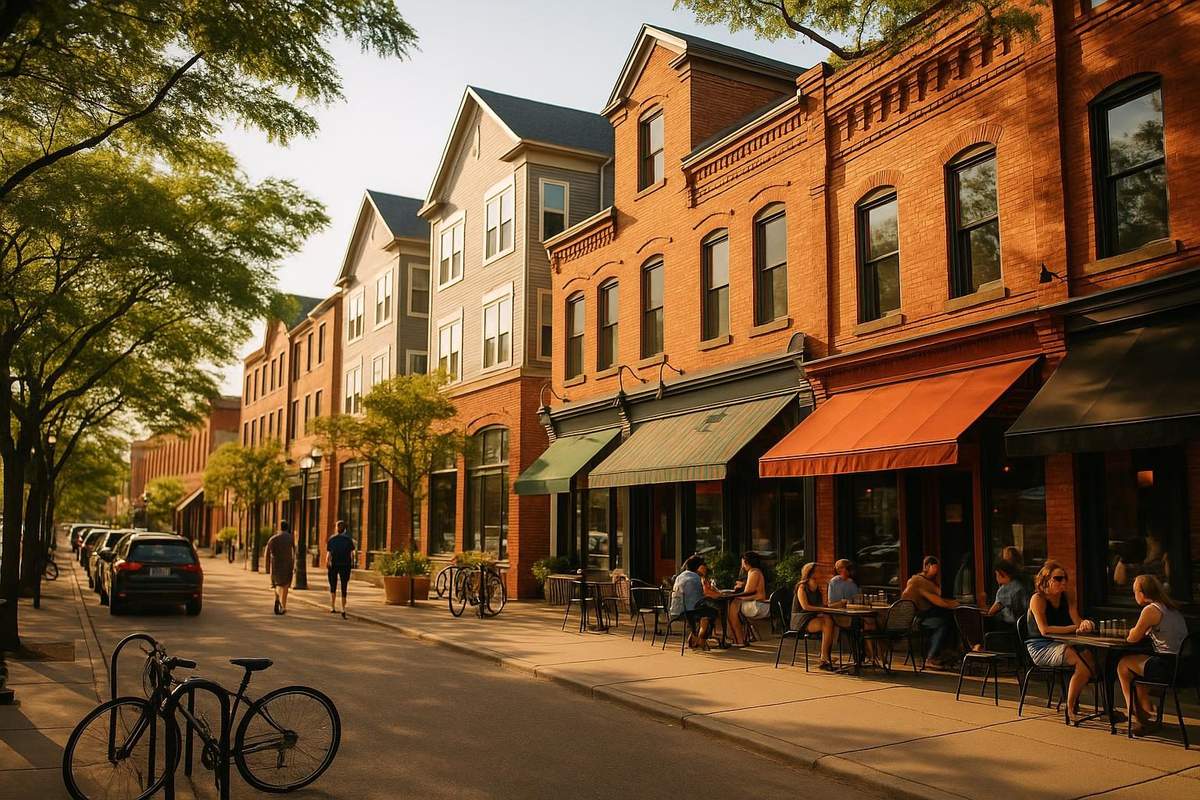
Downtown Ann Arbor suits people who want to walk everywhere: a variety of restaurants, boutique shops, theaters, and music venues sit within walking distance, and residents rarely need a car for errands. Kerrytown, the historic district anchoring the north end of downtown, hosts a year-round farmers market and a cluster of independent retailers you won’t find in suburban strip malls.
The Ann Arbor Area Transportation Authority (TheRide), the public bus system for the Ann Arbor area, runs routes that connect the downtown core to campus, Briarwood Mall, and residential neighborhoods along Washtenaw Avenue. A monthly pass costs less than a single parking garage spot, which changes the math on where you can afford to live.
State Street and South University are the student-heavy blocks, where furnished units for college students often include utilities. If you’re searching for off-campus housing near UMich, look for lease terms aligned with the school calendar rather than standard 12-month commitments.
Quieter Neighborhoods Beyond Downtown
Four residential areas offer quieter settings and lower prices while keeping commutes short:
Burns Park: Tree-lined streets near Stadium Boulevard. A good fit for households with children, largely zoned for Pioneer High School, and close to the green spaces of its namesake park. Rentals here tend to be older duplexes and small apartment complexes.
Kerrytown and Old Fourth Ward: Just north of downtown, these blocks blend historic homes with newer multi-story developments. The farmers market and Zingerman’s Deli anchor the neighborhood’s identity.
South State Street Corridor: A dense strip of housing running from campus toward Briarwood. Bus routes make this corridor practical even without a car.
Near North Campus: Quieter and more spread out. Graduate students and researchers favor this zone for its proximity to the engineering and music school buildings. Trails along the Huron River connect the area to Gallup Park and offer some of the best running and cycling routes in town.
Ann Arbor Apartment Buildings Worth Touring
These five apartment communities show the range of newer, amenity-heavy options. Confirm current pricing with each leasing office, because unit mixes change every season.
Foundry Lofts
Located in the heart of the city, Foundry Lofts combine convenience and sophistication. The building features modern two-bedroom residences with gourmet kitchens, upgraded appliances, and private balconies. A roof deck terrace, study areas, and a fitness center round out the common spaces.
Z Place
Z Place sits close to the University of Michigan and delivers contemporary finishes, stylish furniture, and thoughtfully designed floor plans. Both professionals and students gravitate here for the spacious layouts and lively urban atmosphere. It’s one of the stronger luxury apartment options in the area.
411 Lofts
This property includes fully furnished units, a rooftop lounge, and a fitness studio. Layouts range from studios to two-bed units. Its proximity to campus and restaurants makes it one of the most convenient choices for student living downtown.
The Yard on South Main
The Yard combines upscale design with student-friendly features. Gourmet kitchens, open layouts, and a rooftop terrace headline the amenity list. The location near Briarwood Mall and downtown shopping appeals to residents who want balance between school and daily life.
The Courtyards
Near the university’s North Campus, The Courtyards offer high-end comfort for students and faculty. Private bedrooms, furnished common areas, and in-unit laundry appliances come standard. Study rooms, outdoor lounges, and a gaming space round out the community features.
Amenities Worth Paying For in Ann Arbor MI Apartments
Five features separate a good unit from a frustrating one, and marketing photos rarely show any of them:
- In-unit laundry: Shared laundry rooms are common in older buildings. Having your own washer and dryer saves hours per week.
- Parking: Spaces in parking garages near downtown often cost $150 to $200 per month on top of rent. Buildings that include a spot in the lease save real money.
- Climate control: Summers here can hit the 90s. Central air conditioning, not window units, makes July and August livable.
- Security features: Controlled entry, package lockers, and on-site maintenance staff reduce the daily friction of living in a multi-unit building.
- Bike storage: The city is consistently ranked among the most bike-friendly in the Midwest. Secure indoor bike storage matters here more than in most markets.
Local Rules That Protect Ann Arbor Renters
Ann Arbor adds its own tenant protections to state law. When we checked the city’s published rental housing laws in October 2026, five stood out:
- Right to Renew Ordinance (Section 8:530): For leases signed or renewed after March 17, 2024, landlords can’t send a renewal offer until 180 days after the lease began, and tenants get up to 30 days to decide. No more re-signing pressure weeks after move-in.
- Application and pre-tenancy fees (Section 8:532): Since January 26, 2025, the city regulates what landlords can charge before you move in. Get every fee in writing first.
- Fair screening: The Fair Chance Access to Housing Ordinance bars landlords from using criminal history in tenant selection, and the city’s non-discrimination ordinance covers source of income.
- Security deposits: State law caps deposits at 1.5 times monthly rent, and landlords must return it or mail an itemized damage list within 30 days after you move out.
- Repairs and inspections: The city’s Rental Housing Services office inspects units; typical repair deadlines are 24 hours for life-safety issues and 72 hours for everything else.
How to Time Your Search and Choose a Unit
Start early. The best listings for fall move-in get claimed between February and April, and by June you’re picking from what’s left. Schedule a tour of any apartment in Ann Arbor before signing anything, because photos rarely show noise levels, hallway conditions, or the actual view from a given unit.
Filter by what you actually need, including total monthly cost with utilities and parking. A rooftop terrace sounds great until you realize you’ll use it twice a year. When you filter apartments for rent in Ann Arbor, check broader Ann Arbor rental listings before narrowing to a single neighborhood. You could find a larger residence at a lower price point just a 10-minute bus ride from where you assumed you needed to be.
Start by pricing Ann Arbor MI apartments in two places at once: one near where you work or study, and one a 10-minute bus ride out on a TheRide route. Tour both before April for a fall move-in. If the closer unit costs more than the rent gap plus a parking space, take the bus-line apartment.
Frequently Asked Questions About Ann Arbor Apartments
What is the average rent for a one-bedroom apartment in Ann Arbor?
A one-bedroom rental in the city averages around $1,500 per month as of 2026. Units closer to campus or downtown run higher, while places along outer corridors like Packard Road or near Eastern Michigan University in nearby Ypsilanti can cost 20% to 30% less.
Is it expensive to live in Ann Arbor compared to other Michigan cities?
Yes. Housing costs run 15% to 25% above the state average. The university’s large student population and a low vacancy rate keep demand, and prices, consistently elevated. That said, roommate arrangements and units farther from the core bring costs closer to the statewide norm.
Where is the best place to live in Ann Arbor?
Downtown and the Old Fourth Ward are best for walkability, the older streets south of downtown for quiet, and the South State corridor or North Campus for lower rents with TheRide bus access. Most undergraduates prefer the blocks between State Street and South University.
What floor plans are most common?
Studios, one-bedroom, and two-bedroom layouts dominate the market. Three- and four-bedroom configurations exist but are less common and typically target groups of roommates splitting costs. Loft-style designs appear in converted commercial buildings near the downtown area.
When should I start looking for a fall lease?
Begin your search in February or March. The best Ann Arbor apartments and other living options across the area fill quickly, and waiting until the end of spring cuts your choices in half.